



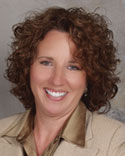
Valentine Brown
She was 9 months old, a baby named Thuy Tran, when she was airlifted to an Arkansas refugee center in the last, desperate days of the Vietnam War.
She was adopted by a military family, moved to South Jersey, played soccer and lacrosse at Rancocas High School, went on to Burlington County College — no longer Thuy Tran but Denise, an American name for an American girl.
The trouble started when she applied to become a Philadelphia police officer in the mid-1990s.
When she sought her birth certificate, officials at the federal immigration office delivered shocking news: She wasn’t a U.S. citizen. She didn't even have a green card, which provides for legal permanent residency.
In the eyes of the government, she wasn't the middle-class suburban kid who grew up on soccer fields and skateboards. She was an "illegal alien" who could be deported to a Vietnam she didn't know or remember.
"They were going to arrest me," said Denise, 42, who spoke on the condition her last name not be used. "I was undocumented and terrified. For close to 20 years I’ve been living in constant fear that I would be taken away from the only place I’ve ever known."
Today, amid President Trump's call for tougher tactics against undocumented immigrants, an estimated 30,000 people who were adopted from overseas as babies or toddlers have discovered they're not actually U.S. citizens.
Years ago, when international adoption was relatively new, many parents wrongly believed that adoption and immigration were the same thing. Actually, until 2000, they were two separate processes.
Many grown adoptees have learned their true legal status by accident, when they file for a passport or government benefit. Some are legal residents who can openly work to obtain citizenship. Others face deportation to homelands where they can't speak the language or read a bus schedule.
[…]
The law governing foreign adoption changed in 2000, amid a surge in arrivals from China, Russia, and Guatemala. The Child Citizenship Act provided automatic citizenship for foreign-born adopted children. But it didn’t cover adoptees who were 18 or older at the time, and that left thousands in limbo.
[…]
Denise had advocates on her side.
"You can’t ask for a better person to come to our country and contribute," said immigration lawyer Judith Bernstein-Baker, who worked more than a decade on the case at HIAS Pennsylvania.
In 2015, attorney Valentine Brown, of Duane Morris LLP, came onto the case. Last year Denise was notified: Report on April 1 to take the oath of citizenship.
It wasn’t an April Fools' Day prank. Friends and coworkers — she's a phlebotomist in Philadelphia — held a big celebration.
"The whole process has been so traumatizing and stressful," she said. "Becoming a citizen has been the best thing that has ever happened to me."
To read the full article, visit Philly.com.